
0%
Filled with laugh-out-loud hilarious text and cartoons, the Diary of a Wimpy Kid series follows Greg Heffley as he records the daily trials and triumphs of friendship, family life and middle school where undersized weaklings have to share the hallways with kids who are taller, meaner and already shaving! On top of all that, Greg must be careful to avoid the dreaded CHEESE TOUCH!
The first book in the series was published in 2007 and became instantly popular for its relatable humor. Today, more than 300 million copies have been sold around the world!
: Programs are written in high-level languages that a compiler translates into machine code—vast streams of 0s and 1s—which the processor executes as instructions.
: While we think of them as numbers, inside a computer, they are actually high and low electrical voltages or magnetic charges stored on a drive. How Computers Turn Ones and Zeros into 3D Worlds
: Images are created by sequences that define the color and brightness of individual pixels, while audio is produced by measuring sound waves at high speeds and converting those values into binary.
By arranging these simple digits into specific sequences, computers "produce" everything we see on our screens:
: Standards like ASCII and Unicode assign a unique binary sequence to every letter and symbol. For example, "Hello!" is represented by 48 bits.
In the digital world, are the fundamental building blocks used to translate complex information—like text, images, and video—into a language machines can understand. This system is known as binary code , where each "0" or "1" (a bit ) represents a physical state, such as an electronic switch being off (0) or on (1).
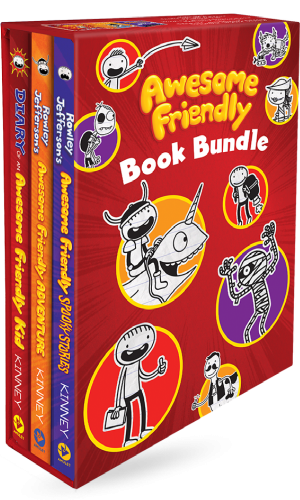
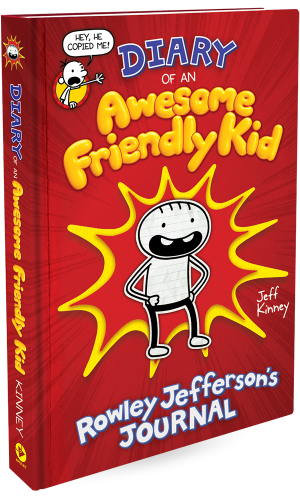
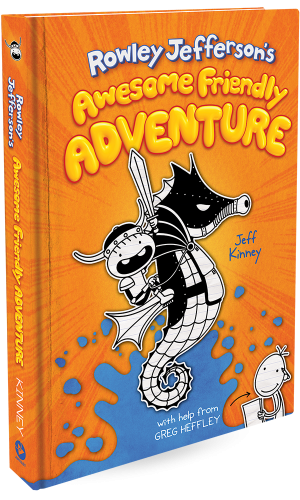
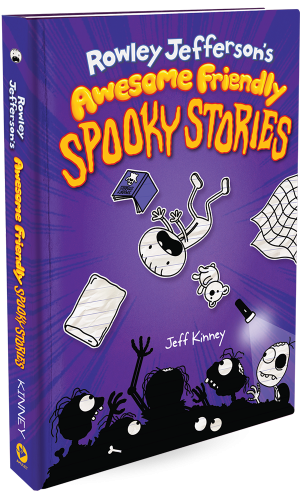
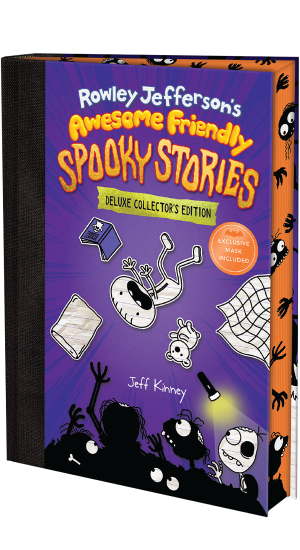
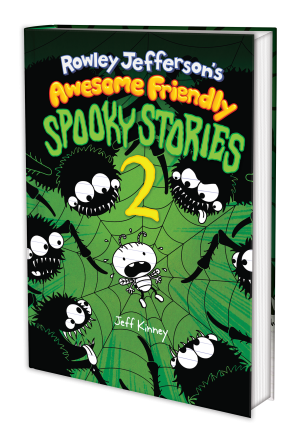
Get ready to see the Wimpy Kid world in a whole new way! Written and illustrated from the hilarious imagination of Greg Heffley’s best friend, Rowley Jefferson, the Awesome Friendly Kid series is filled with new adventures and vibrant stories that will have readers in stitches!
Click or scroll
through the books
Zeros and Ones
: Programs are written in high-level languages that a compiler translates into machine code—vast streams of 0s and 1s—which the processor executes as instructions.
: While we think of them as numbers, inside a computer, they are actually high and low electrical voltages or magnetic charges stored on a drive. How Computers Turn Ones and Zeros into 3D Worlds
: Images are created by sequences that define the color and brightness of individual pixels, while audio is produced by measuring sound waves at high speeds and converting those values into binary.
By arranging these simple digits into specific sequences, computers "produce" everything we see on our screens:
: Standards like ASCII and Unicode assign a unique binary sequence to every letter and symbol. For example, "Hello!" is represented by 48 bits.
In the digital world, are the fundamental building blocks used to translate complex information—like text, images, and video—into a language machines can understand. This system is known as binary code , where each "0" or "1" (a bit ) represents a physical state, such as an electronic switch being off (0) or on (1).