










A significant segment of the "running or not" market consists of buyers who don’t want the car, but its organs. look for specific models with blown engines or transmissions. They pull the salvageable components, rebuild them to factory specifications, and sell them as refurbished parts. To them, a car with a dead engine but a perfect interior and body is a goldmine of inventory. 4. The End of the Line: Scrapyards and Recyclers
When a car is truly "dead"—meaning the cost of repair exceeds the market value—the buyer is the . These buyers view the vehicle as a raw commodity. They calculate value based on the weight of steel, aluminum, and the precious metals found in catalytic converters (like platinum and palladium).
When the car is non-running, the buyer is often a . These entities act as the circulatory system of the automotive world. They buy "junkers" in bulk, often from trade-ins that dealerships don't want on their lots, and move them to auctions where they can be sold to specialized repair shops or export markets. 3. The Rebuilders: Specialized Remanufacturers
The question of who buys used cars, running or not, reveals a hidden economy of scale. Whether it’s a teenager buying their first "running" project or a massive industrial shredder reclaiming "not running" steel, every vehicle has a terminal value. In this market, one person's mechanical failure is another person's inventory, and nothing is truly worthless until it is completely dismantled.
The market for used cars—ranging from pristine second-hand sedans to rusted frames sinking into the driveway—is a complex ecosystem driven by three distinct motivations: utility, profit, and rebirth. When a vehicle reaches the point where it is labeled "running or not," the buyer's identity shifts from a simple commuter to a specialized opportunist. 1. The Value Seekers: Private Buyers and DIYers
The AAC Language Lab offers real-life solutions in support of language development. Explore language stages and interactive materials designed for Speech Language Pathologists (SLPs), Educators and Parents. An annual subscription provides full access to all materials including guided lesson plans, an activities section, a language screener, implementation tips and more.
With over 50 years of experience in augmentative and alternative communication (AAC) PRC-Saltillo is pleased to offer this unique online resource.
We have made our service even better with all the new features and a lower price. For just $19.95 a year, you will have access to all of these valuable resources. who buys used cars running or not
A significant segment of the "running or not" market consists of buyers who don’t want the car, but its organs. look for specific models with blown engines or transmissions. They pull the salvageable components, rebuild them to factory specifications, and sell them as refurbished parts. To them, a car with a dead engine but a perfect interior and body is a goldmine of inventory. 4. The End of the Line: Scrapyards and Recyclers
When a car is truly "dead"—meaning the cost of repair exceeds the market value—the buyer is the . These buyers view the vehicle as a raw commodity. They calculate value based on the weight of steel, aluminum, and the precious metals found in catalytic converters (like platinum and palladium). A significant segment of the "running or not"
When the car is non-running, the buyer is often a . These entities act as the circulatory system of the automotive world. They buy "junkers" in bulk, often from trade-ins that dealerships don't want on their lots, and move them to auctions where they can be sold to specialized repair shops or export markets. 3. The Rebuilders: Specialized Remanufacturers
The question of who buys used cars, running or not, reveals a hidden economy of scale. Whether it’s a teenager buying their first "running" project or a massive industrial shredder reclaiming "not running" steel, every vehicle has a terminal value. In this market, one person's mechanical failure is another person's inventory, and nothing is truly worthless until it is completely dismantled. To them, a car with a dead engine
The market for used cars—ranging from pristine second-hand sedans to rusted frames sinking into the driveway—is a complex ecosystem driven by three distinct motivations: utility, profit, and rebirth. When a vehicle reaches the point where it is labeled "running or not," the buyer's identity shifts from a simple commuter to a specialized opportunist. 1. The Value Seekers: Private Buyers and DIYers

Students can do a variety of Earth Day related activities.
Stage Four - Add More WordsLearn successful speech strategies with one of our lesson plans

This month we’re exploring how we can send kind, silly, or funny mes...
Stage All - All LevelsGet excited about AAC with activities that make learning fun
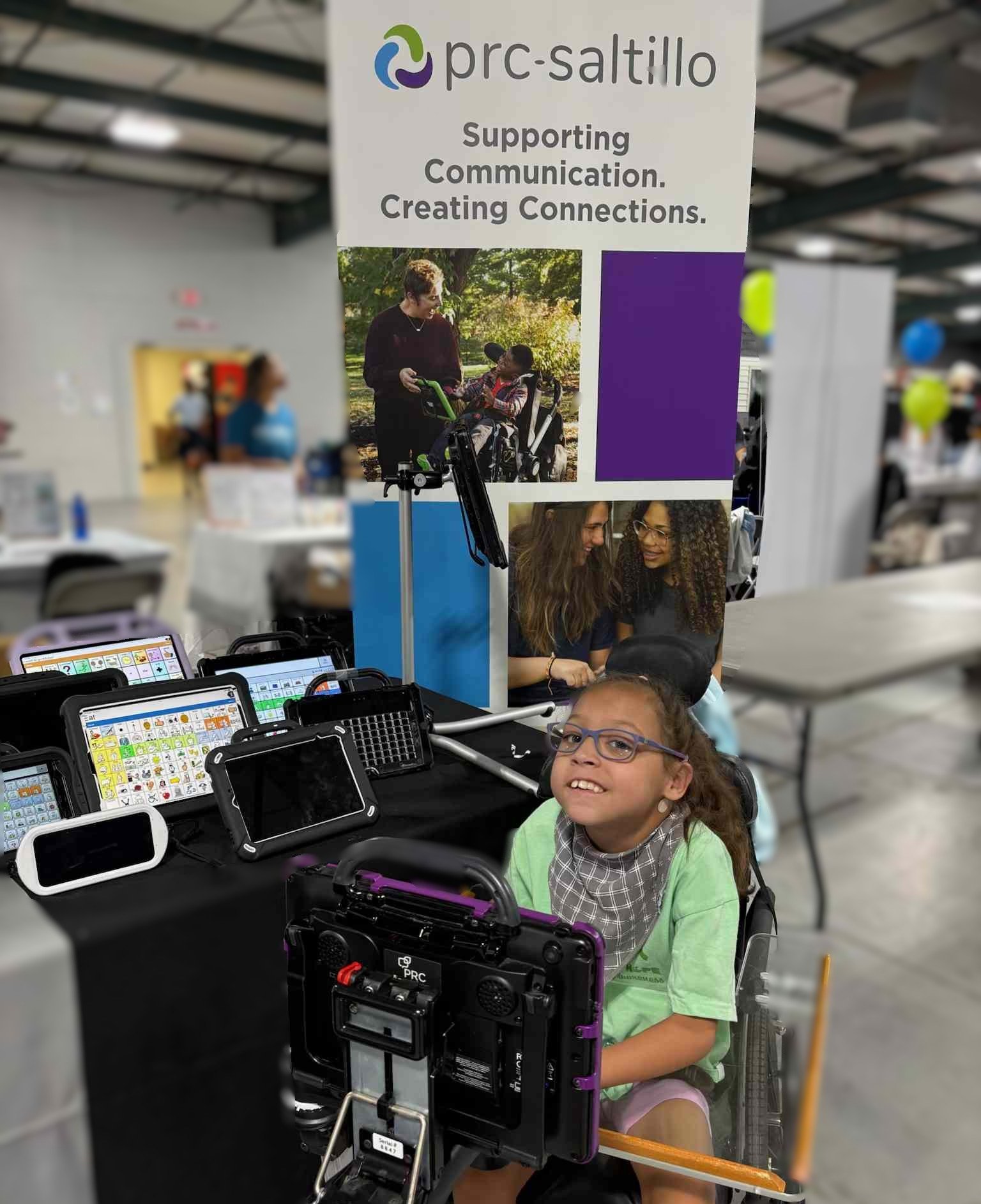
by Naiya Daves, PRC-Saltillo Ambassador This summer I did a 3 w...
Blog Post - Dec 02 2025Read the latest blogs and find out what's going on in the AAC community

The student will speak using single words.
Stage One - Use Single WordsSee this month's most popular lesson plan
Encourage the student to direct the behavior of others using negatives...
Stage One - Express NegativesSee this month's most popular activity