Loading...




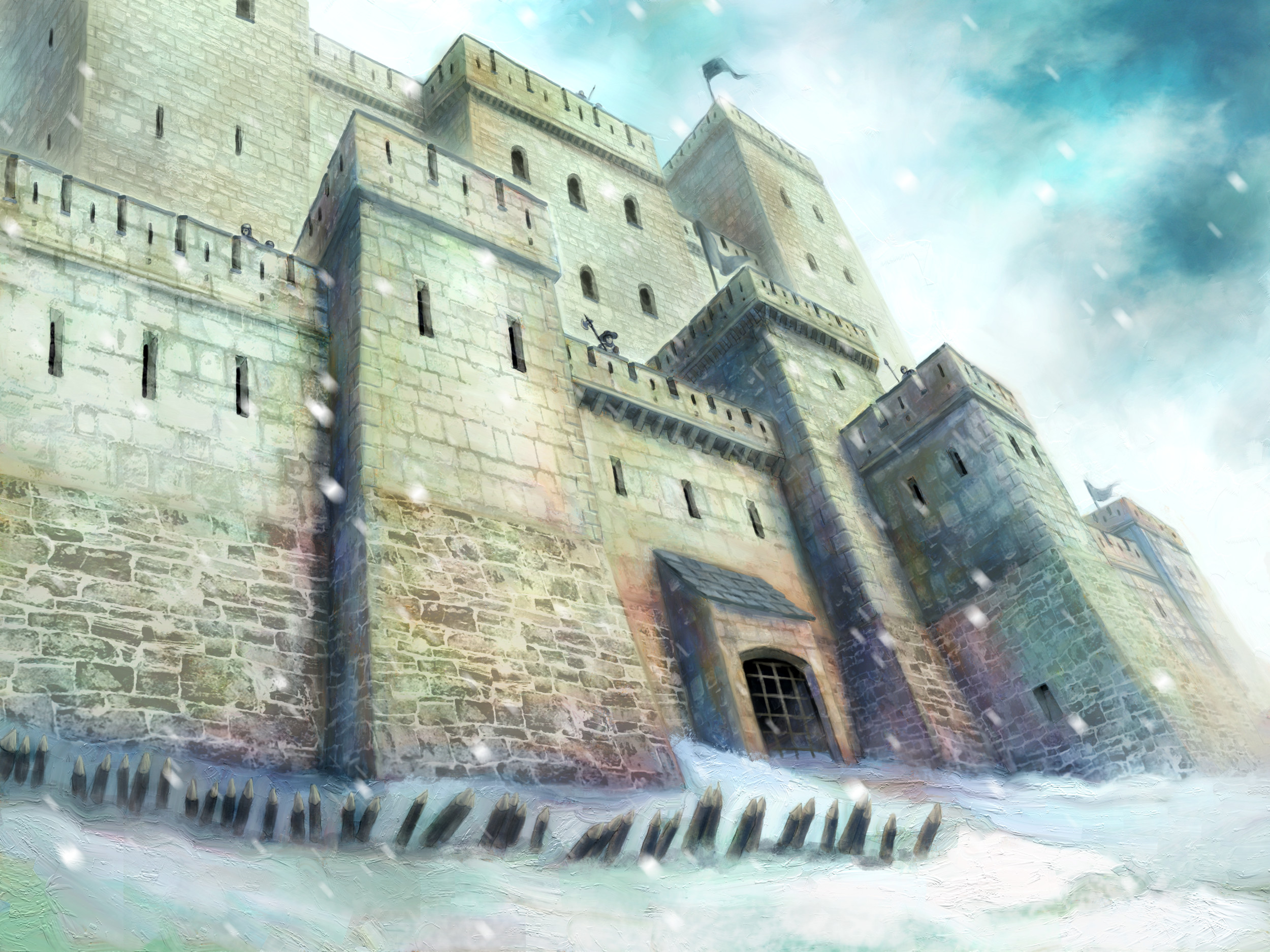
Design your own castle and crush invading hordes with an impenetrable stronghold. Your kingdom awaits and the battle has just begun!
 Build a Medieval Kingdom
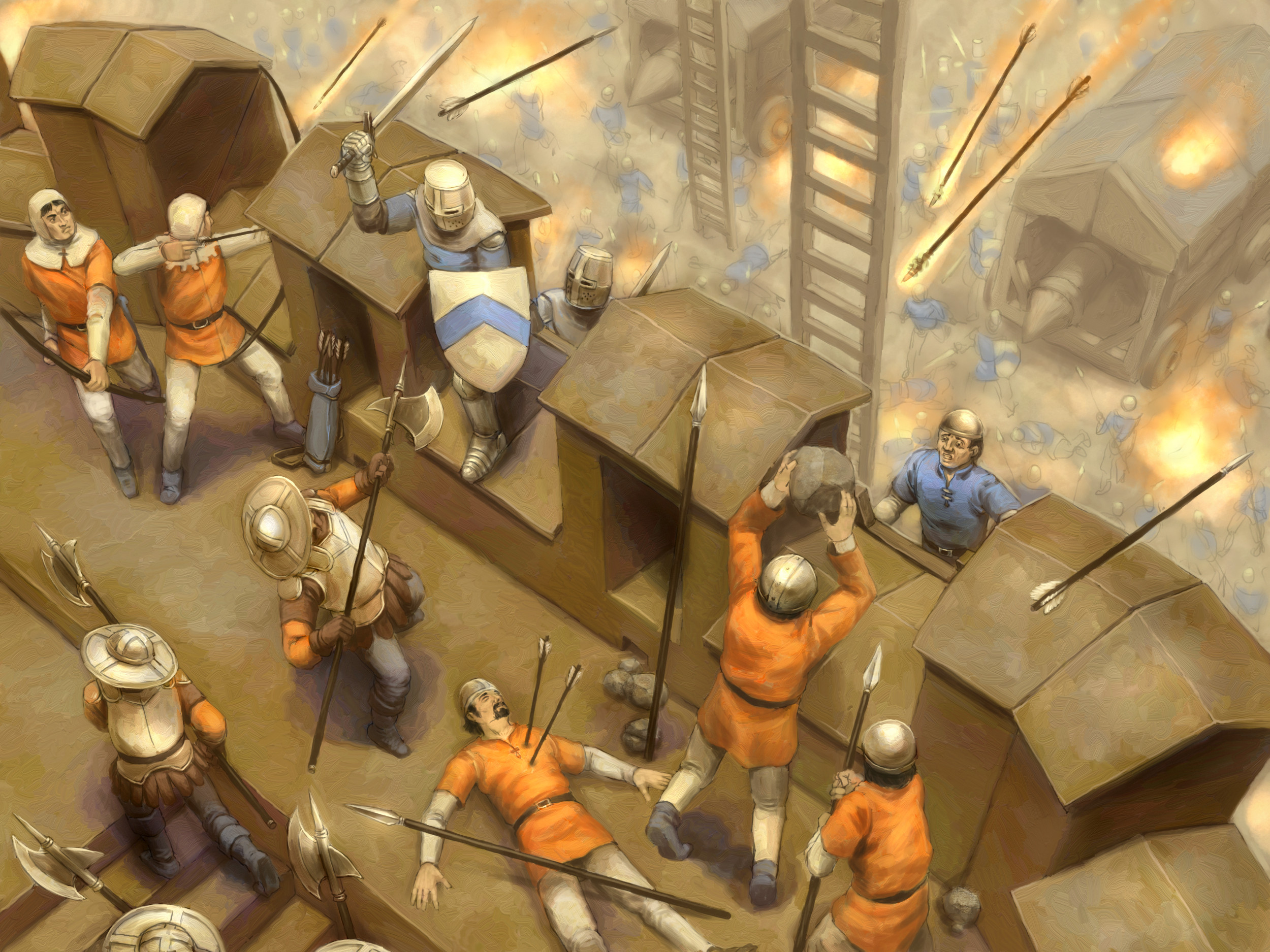
Design mighty castles, forge alliances and fight for the throne in Stronghold Kingdoms - an immersive castle MMO with grand strategy, city-building, castle sieges and political mind games.
 Recruit An Army
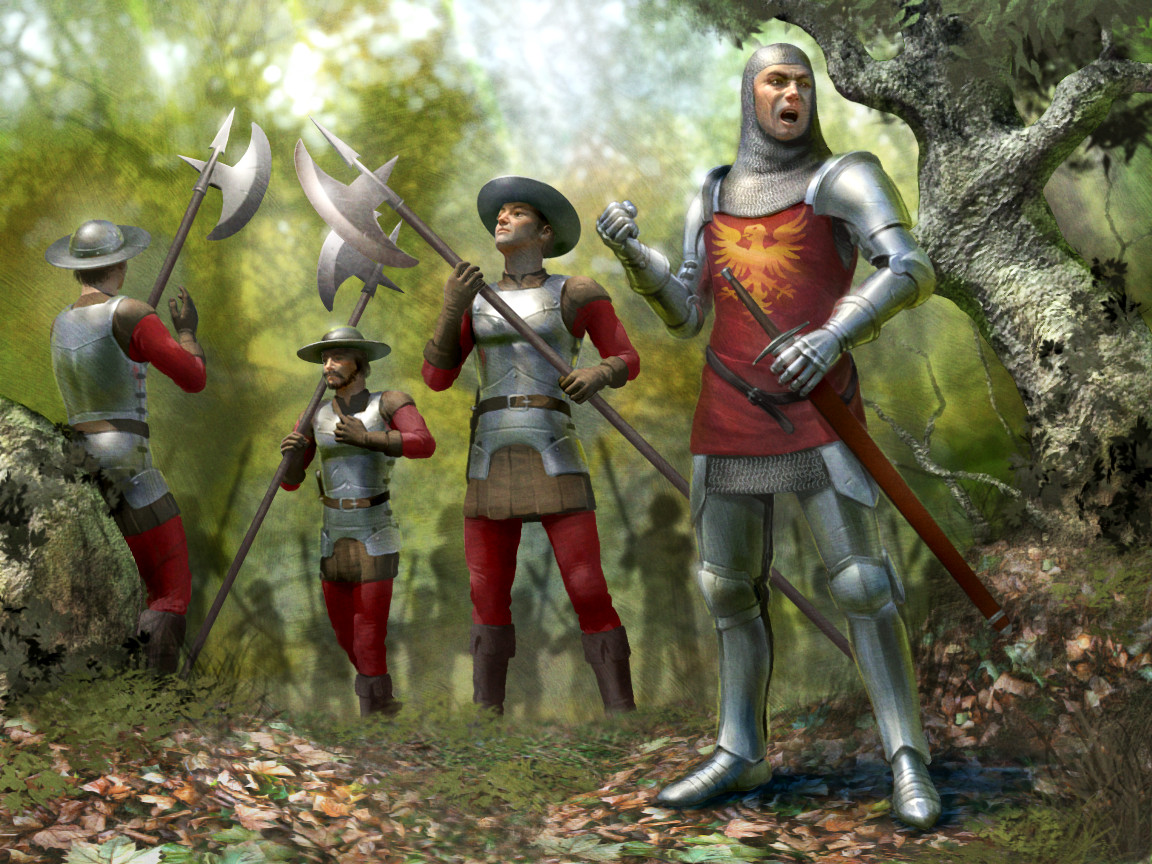
Rally your troops and battle across the World Map, engaging in real-time, PvP warfare with thousands of players worldwide. Cross-play on PC, Mac, iOS and Android, as you expand your empire and lead your friends to victory.
 Rule An Empire
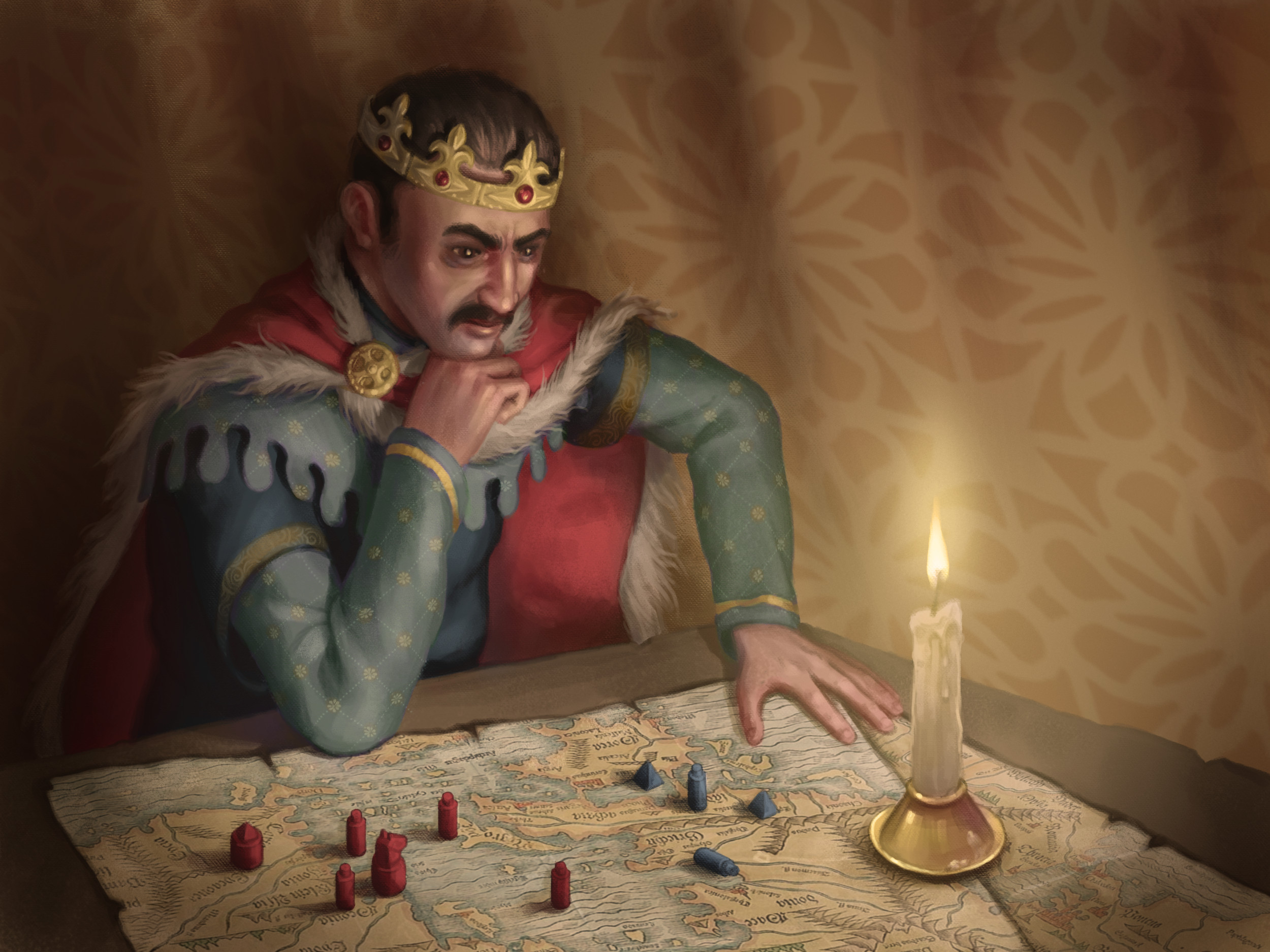
Conquer entire countries as you rise through the ranks and become ruler of your own kingdom. Peaceful diplomat or ruthless warrior? How will you play?
: In 1853, Charles Loring Brace founded the Children's Aid Society . He believed that taking children out of "vile" urban environments and placing them with hardworking farm families would give them a better chance at becoming moral, productive citizens.
: It explores rootlessness, the search for identity, and the shared trauma of being "unwanted" across different generations. Quick Facts Duration : 1854–1929 (75 years).
: By 1890, over 150,000 miles of track were used to transport these children.
The history of the Orphan Train has been revitalized in popular culture, most notably by Christina Baker Kline in her 2013 novel .
The was a massive social experiment in the United States that relocated an estimated 250,000 orphaned, abandoned, and homeless children from crowded Eastern cities to rural homes in the Midwest and West. Lasting from 1854 to 1929, it is widely considered the precursor to the modern American foster care system. Core History & Origins
: In the mid-19th century, cities like New York and Boston faced a crisis of "street children"—tens of thousands of homeless youth living in poverty, often turning to crime or facing starvation.
: Others were viewed merely as free labor for farms. Instances of neglect, physical abuse, and the permanent separation of siblings were common. Modern Cultural Impact
: Upon arrival, children were often lined up on a platform or in a town hall for prospective parents to inspect. This process was sometimes dehumanizing, with adults checking children’s teeth or muscles as if evaluating livestock. Placement Realities :